What Is Pure 925 Silver?
When you’re shopping for silver jewelry or accessories, you’ve probably noticed terms like “sterling silver,” “pure silver,” or “925 silver.” But what do they actually mean? Is 925 silver real silver? And why is it so popular in jewelry making?
Let’s explore the fascinating world of silver — what 925 silver really is, how it’s made, how to care for it, and why it’s considered one of the most loved metals in the jewelry industry.
Understanding the Basics: What Does 925 Mean?
The number 925 represents the purity level of the silver used. It means that the metal is composed of 92.5% pure silver and 7.5% other metals, typically copper. This combination is called sterling silver.
Pure silver (99.9%) is too soft for durable jewelry. By adding a small amount of other metals, jewelers create a perfect balance of beauty and durability. The “925” stamp is your assurance that the item is made of genuine sterling silver.

Why Not Use 100% Pure Silver?
- Too soft: 99.9% pure silver bends and scratches easily.
- Not durable: Rings, bracelets, or chains made from pure silver can get damaged quickly.
- Less suitable for intricate designs: Jewelers need a slightly harder metal for detailed or structured patterns.
The History of Sterling Silver
Sterling silver has been around for centuries. The term “sterling” originated in England during the 12th century, describing silver coins containing 92.5% silver — the same composition used today. It has symbolized elegance and craftsmanship in jewelry and home décor for generations.
How to Identify Real 925 Silver
Here are a few ways to check if your jewelry is authentic 925 silver:
- Look for the stamp: Common hallmarks include “925,” “.925,” or “STERLING.”
- Magnet test: Silver isn’t magnetic. If it sticks, it may contain other metals.
- Tarnish check: Real silver may darken slightly over time, which can be polished away.
- Professional testing: Jewelers can test silver with acid or X-ray analysis.
The Beauty of 925 Sterling Silver Jewelry
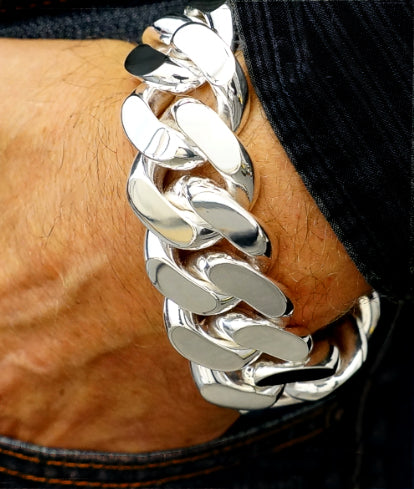
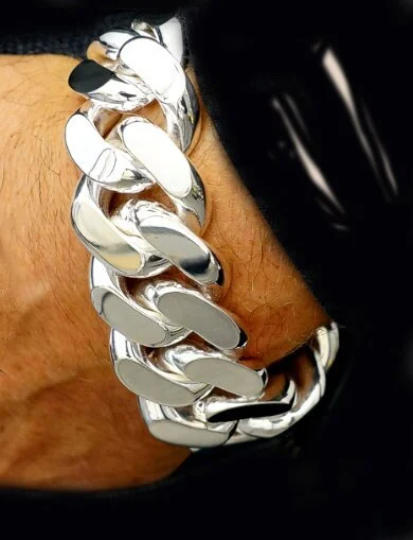
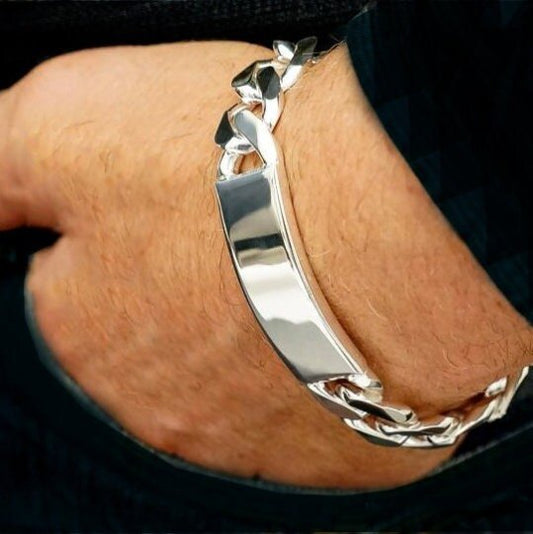
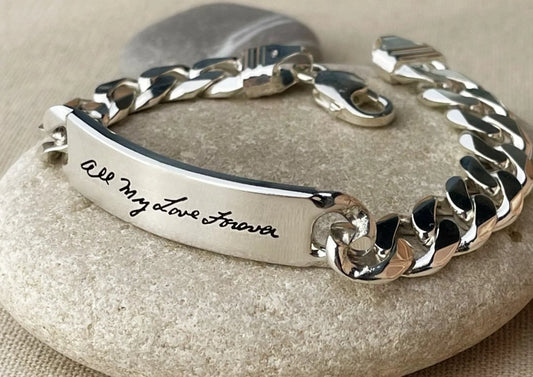
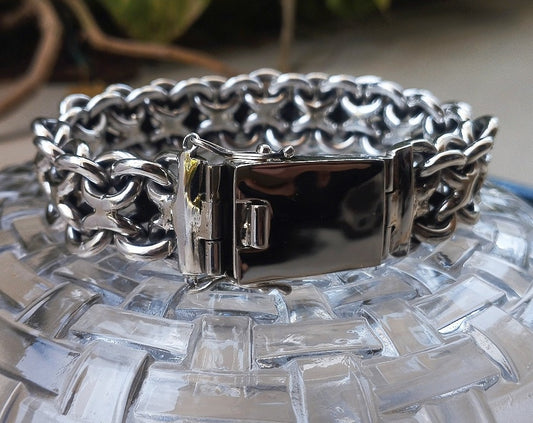
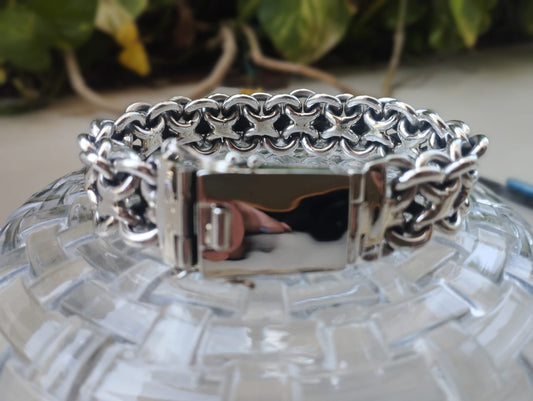
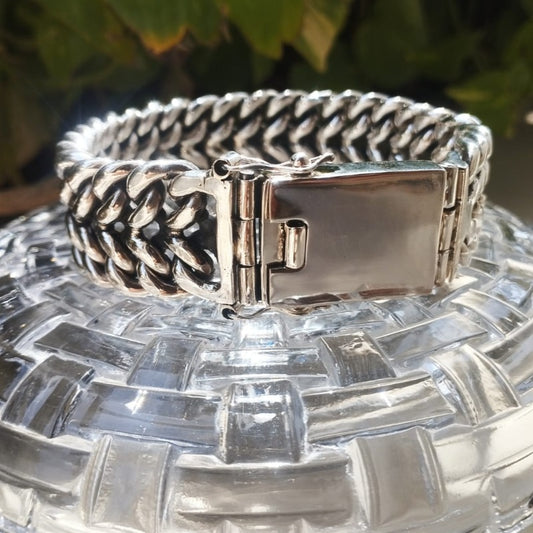
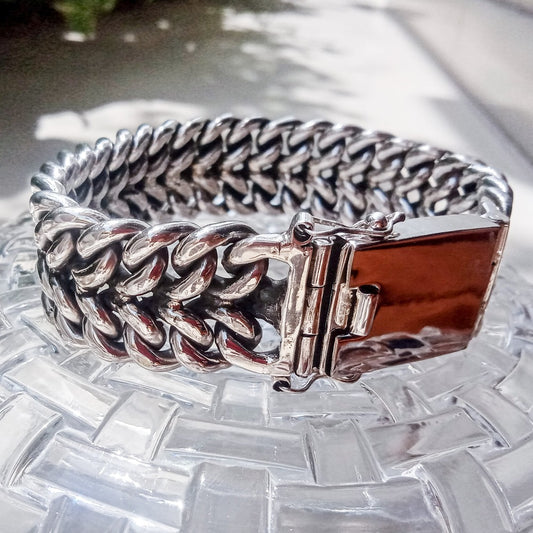
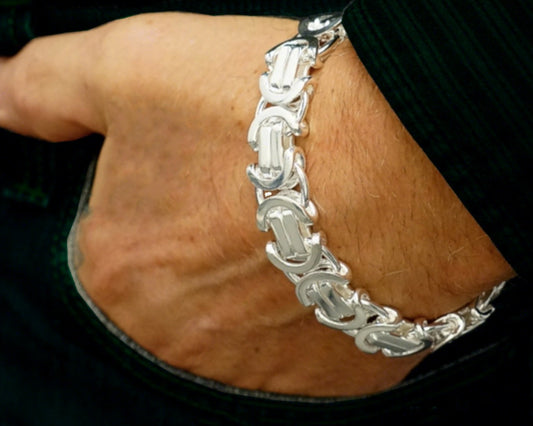
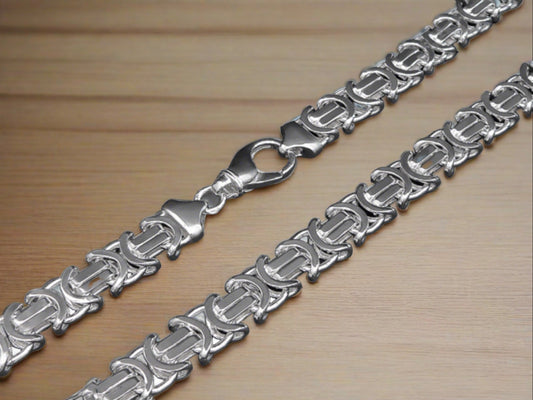
925 silver is loved for its shine, versatility, and affordability. It looks luxurious but costs less than gold or platinum. It is hypoallergenic for most skin types and easy to maintain. From bold men’s bracelets to delicate rings, 925 silver combines beauty, strength, and value.

How to Care for Your 925 Silver Jewelry
- Store properly: Keep in a soft pouch or airtight bag.
- Avoid chemicals: Perfumes, lotions, and cleaning agents can dull the silver.
- Wear it often: Natural skin oils help prevent tarnish.
- Clean gently: Use a soft cloth or mild silver polish.
925 Silver vs. Other Silver Types
| Type of Silver | Purity | Common Use | Durability | Notes |
|---|---|---|---|---|
| 999 Silver (Fine Silver) | 99.9% | Coins, collectibles | Soft | Too malleable for jewelry |
| 925 Silver (Sterling Silver) | 92.5% | Jewelry, cutlery | Strong | Best for daily wear |
| Coin Silver | 90% | Vintage coins, older jewelry | Medium | Rarely used today |
| Silver Plated | Thin silver coating | Costume jewelry | Low | Not solid silver |
The Value of 925 Silver
Sterling silver holds both intrinsic and collectible value. Its worth depends on weight, market price, craftsmanship, and design. High-quality 925 silver jewelry can be a long-lasting investment in both style and value.
Common Misconceptions About 925 Silver
- “925 silver isn’t real silver.” False — 925 silver is real silver mixed for durability.
- “Sterling silver doesn’t tarnish.” All silver tarnishes but can be polished.
- “Silver-plated jewelry is the same as sterling silver.” Silver-plated items only have a thin coating and wear quickly.
Final Thoughts
Pure 925 silver is the perfect blend of purity, strength, and timeless beauty. With 92.5% silver content, it is durable enough for everyday wear while maintaining a bright, luxurious shine. Whether in rings, bracelets, or chains, 925 sterling silver remains a top choice for anyone seeking quality, elegance, and long-lasting value.