Is Silver the Best Investment in 2026?
For centuries, silver has played an important role in the global economy. It has been used as currency, jewelry, and a reliable store of value. As we move into 2026, many investors are once again asking an important question: Is silver one of the best investments today?
With inflation concerns, global economic uncertainty, and increasing demand from technology industries, silver is gaining serious attention from investors around the world.
Why Silver Is Attracting Investors in 2026
The investment landscape continues to evolve. Many investors are now looking for assets that can protect their wealth while also offering long-term growth potential.
Silver stands out because it is significantly more affordable than gold, making it easier for new investors to enter the market. At the same time, it offers strong value due to its role in both precious metals markets and industrial applications.
Industrial Demand Is Driving Silver’s Value
Unlike many precious metals, silver has powerful industrial applications. It is widely used in modern technologies such as:
- Solar panels
- Electric vehicles
- Electronics and semiconductors
- Medical equipment
- Renewable energy systems
Silver has the highest electrical conductivity of any metal, making it essential in the growing clean energy sector. As solar energy production increases globally, demand for silver continues to rise.
Silver as Protection Against Inflation
During times of economic instability, investors often turn to precious metals to protect their purchasing power. Silver has historically acted as a hedge against inflation and currency fluctuations.
When inflation rises and paper currencies lose value, tangible assets such as silver can help maintain financial stability.
Silver vs Gold: Key Differences
While gold often receives more attention, silver offers several advantages:
- Lower cost of entry – Investors can buy silver with smaller budgets.
- Higher industrial demand – Silver is used in many essential technologies.
- Potential growth – Because the market is smaller than gold, price movements can be more dynamic.
Physical Silver vs Paper Silver
Physical Silver
Physical silver includes items such as silver bars, coins, and jewelry. Owning physical silver allows investors to hold a tangible asset that is independent of financial institutions.
Paper Silver
Paper silver refers to financial instruments like silver ETFs, mining stocks, or futures contracts. These investments are easier to trade but do not provide physical ownership of the metal.

Silver Jewelry as a Long-Term Asset
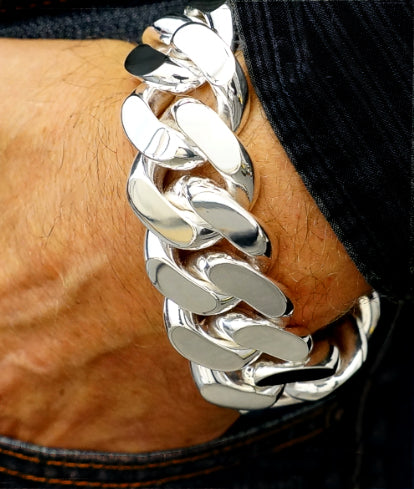
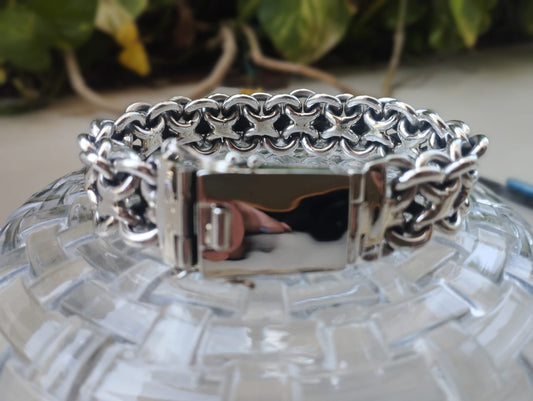
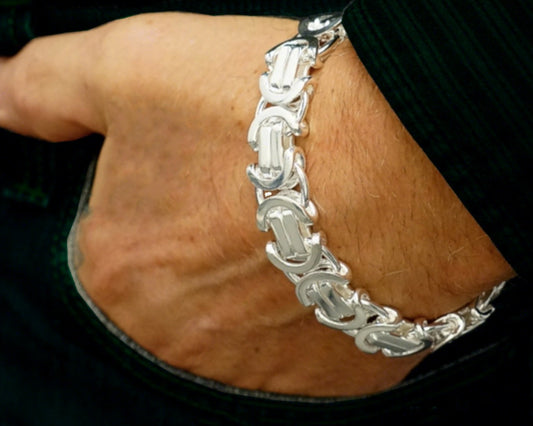
Silver jewelry, especially 925 sterling silver, offers both aesthetic and intrinsic value. Items like bracelets, chains, and rings are not only beautiful accessories but also contain real precious metal value.
This combination makes silver jewelry a unique way to enjoy luxury while still holding a valuable asset.
Market Outlook for Silver in 2026
Several global trends are expected to influence silver prices in the coming years:
- Expansion of renewable energy
- Growth in electric vehicle production
- Increasing demand for electronics
- Global economic uncertainty
- Inflation pressures
Because silver plays a critical role in modern technology and sustainability, long-term demand is expected to remain strong.
Risks to Consider
Like all investments, silver also carries some risks. Prices can fluctuate in the short term, and industrial demand changes can affect market trends.
For this reason, investors should focus on long-term strategies and maintain a diversified investment portfolio.
Final Thoughts
Silver continues to prove that it is more than just a precious metal. Its affordability, industrial importance, and historical value make it an attractive option for many investors.
While every investment decision should be carefully considered, silver remains one of the most interesting assets to watch in 2026.